Everything You Need to Know About Working With a Graphic Designer
Especially if you’ve never worked with a designer before, it can feel a little daunting. What do they actually do? How does it all work? Where do you even begin?
The good news is it doesn't have to be complicated. Knowing a few things going in will help you get more out of the process, land on an outcome you love, and maybe even have some fun along the way.
What Does a Graphic Designer Actually Do?
It wasn't until I started studying graphic design that I really understood it myself — so if you're not sure, I completely understand.
At its core, graphic design is visual communication. We're problem solvers, figuring out how to take what a business needs to say and make it land with the right people. The difference between art and design is that design is always led by strategy. Every choice has a reason behind it.
In practical terms, this involves anything you can see that represents your business. Your logo, your social media, your signage, your packaging, your marketing materials — a graphic designer made those. If it uses imagery, type, colour or illustration to communicate something visually, it's design.
Get Clear on What You Want
You don't have to have all the answers for how a project should look, but it helps to spend a little time getting clear on your business and what you need before you brief a designer.
This means thinking about what your business offers, how you stand out, who your ideal client is, and how you want them to feel when they come across your brand. Gathering inspiration along the way — what you love and what you'd never want — helps too.
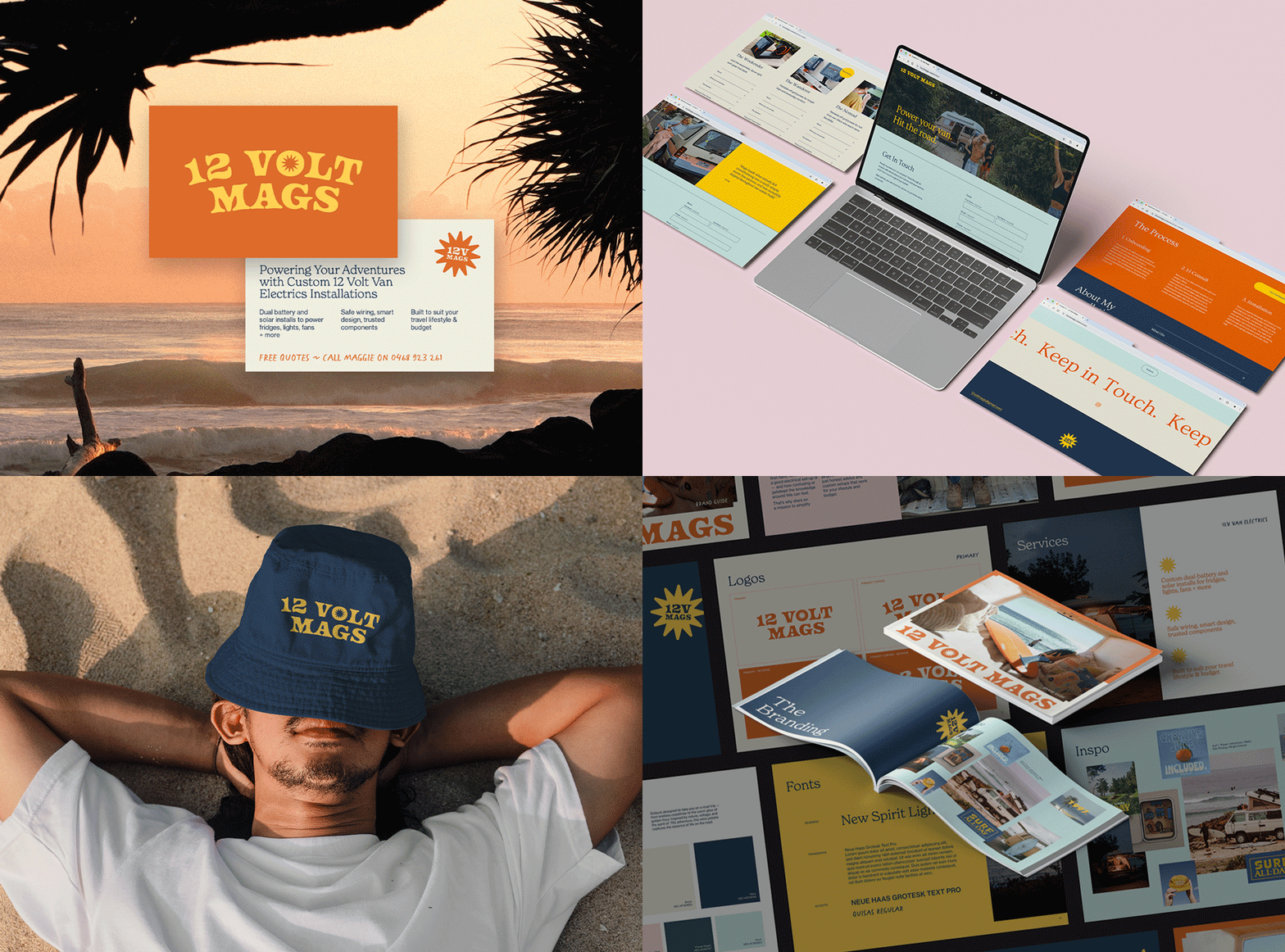
Also have a think about what you actually need designed. New branding like logos, colours and fonts? Social assets like posts and stories? Signage, business cards, marketing materials like posters or flyers? If you’re not quite sure, chat to your designer about this (we have a lot of ideas and are always happy to share them)!
Writing all of this out into a brief helps make everything clear, both for yourself and for the designer.
The Brief is Everything
Great design is born from a great brief. The more information you can give your designer, the better. Writing everything into a brief is the most effective way to begin a project — the direction is clear and well-planned, everyone gets on the same page, and your designer can reference back to it throughout.
Some key points to include are:
Deadline - When do you ideally need the project by?
Key Goals & Objectives – What will make the project a success? What business goals do you want to achieve by doing this project?
Target Audience – Who is your ideal customer? What are they like?
Visual Guidelines – You score bonus points here if you send over a Pinterest mood board with any visuals you like (or don’t like). This works really well to show the direction you want, rather than trying to explain it using words (which can be much harder). If you have a brand guide or any existing logos, colours or fonts the designer needs to use, include those here as well.
Deliverables – What format do you need the design in? What are the dimensions? Is it digital only, or would you like to print it? Designers work with many different formats and know a lot about what might work best for different assets, so can always make recommendations.
Messaging & Copy – Do you have any specific text you need on the design? What is the most important message you want the audience to take away from it?
Any Other Requirements – Do you have any other special requests, legal requirements, or is there anything else to note?
I personally have a briefing template I send to all my clients to make the process seamless. If we’re doing a brand identity project, I'll help you work out all of these things too. If you’re not sure about something, always reach out to your designer – some of the best ideas are born from collaboration.

Give Great Feedback and Get Exactly What You Want
Designers will always send you over a design for feedback before signing the project off, to ensure you’re happy with it. Making revisions to a design in the initial stages is common, and designers will be happy to update the design for you if something needs adjusting.
Keep in mind the art of feedback to make it count:
Batch Your Feedback – Write out all your feedback together to avoid the back-and-forth of small changes, which takes more time than you'd think. Most packages include a set number of revision rounds to keep the project on track, so making the most of each one counts.
Avoid Personal Opinions – "I just don't like it" doesn't give a designer much to work with. Go deeper than the like or dislike, and always keep your target audience in mind.
Focus on the ‘Why’ – This ensures everything revolves around strategy and stays productive. A good example: "Can we switch out the images to ones of people smiling, so that it feels more welcoming and approachable?"
Take Time to Work it Out – Sometimes it's hard to know what's not working or which direction you prefer. Sleep on it, ask someone in your target audience, or reach out to your designer if you need help figuring it out.
Be Kind – The designer likely put a lot of time into designing to your brief as best they could. Harsh or blunt feedback can sting more than you'd think. Little things like a simple please and thank you go such a long way and make the whole experience enjoyable for everyone!
The Money Stuff Nobody Likes to Talk About
A designer’s favourite clients pay their invoices on time. There are a lot of hidden expenses in running a design business — professional software alone costs hundreds of dollars a month, so timely payments matter.
If you don't have the budget ready yet, hold off on briefing the project or chat to your designer about a payment plan. Most designers take an upfront deposit to book in your work, with the balance due upon completion.
If something comes up financially, just communicate it. Designers are generally understanding, but what they don't love is chasing. A quick heads up saves everyone time and they will love you for it!
Prioritise Good Communication
Many of these tips really just boil down to good communication. This is especially important for freelancers juggling multiple clients and deadlines at once.
If you say you'll send feedback by a certain time, try to stick to it. Your designer will have planned time to work on it, and if it comes in late it can push your whole timeline out.
The best client relationships are built on trust, honesty and clear communication. Get those right and creating work you're proud of becomes the easy part!
Got an idea? Let’s chat!